There’s something deeply comforting about a slow-cooked roast that fills the house with rich, savory aroma long before dinner is served. Swabian Beef Roast with Onions is one of those timeless dishes that feels like it belongs at a long wooden table, surrounded by family, laughter, and stories passed down through generations.

This traditional dish comes from the region of Swabia in southern Germany, where hearty meals are a way of life. It’s rustic, deeply flavorful, and built on simple ingredients: quality beef, sweet caramelized onions, and a slow braise that transforms everything into tender perfection.
I first made this roast on a chilly Sunday when I wanted something nostalgic and grounding. The onions slowly melted into the sauce, the beef turned fork-tender, and by the time we sat down to eat, it felt less like dinner and more like a warm embrace.
If you’re looking for a comforting, impressive yet easy beef roast for Sunday dinner or special gatherings, this Swabian classic might just become your new tradition.
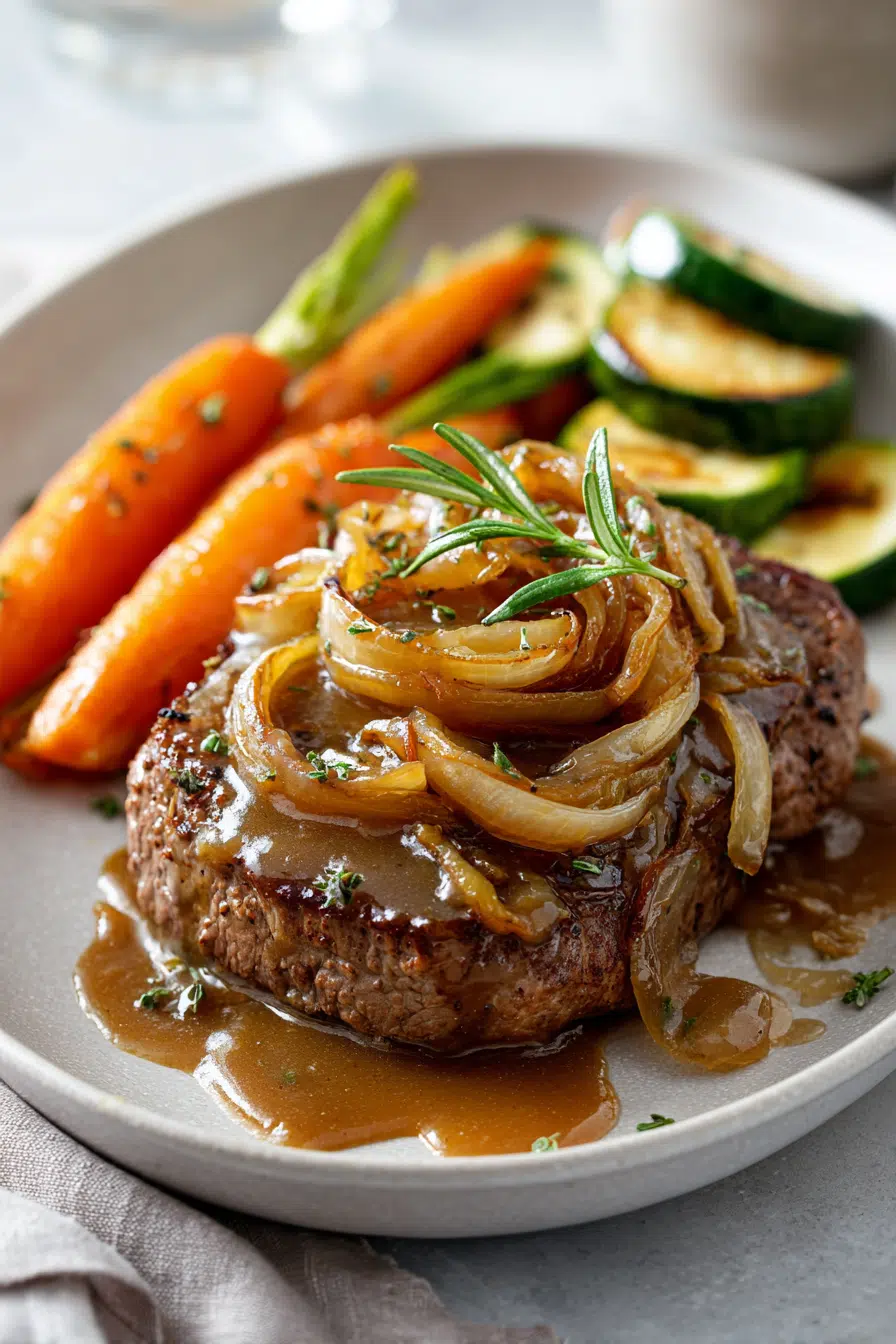
Why You’ll Love This Swabian Beef Roast with Onions
Incredibly Tender and Juicy
The slow braising method ensures the beef becomes melt-in-your-mouth soft while staying rich and flavorful.
Deeply Savory Onion Gravy
The caramelized onions break down into a natural, slightly sweet sauce that pairs beautifully with the beef.
Simple, Honest Ingredients
No complicated techniques — just classic pantry staples and quality beef.
Perfect for Family Dinners
This dish feels special enough for holidays but easy enough for a cozy Sunday meal.
Make-Ahead Friendly
Like many braised dishes, it tastes even better the next day as the flavors deepen.
Authentic German Comfort Food
It’s a wonderful way to explore traditional cuisine from southern Germany without leaving your kitchen.
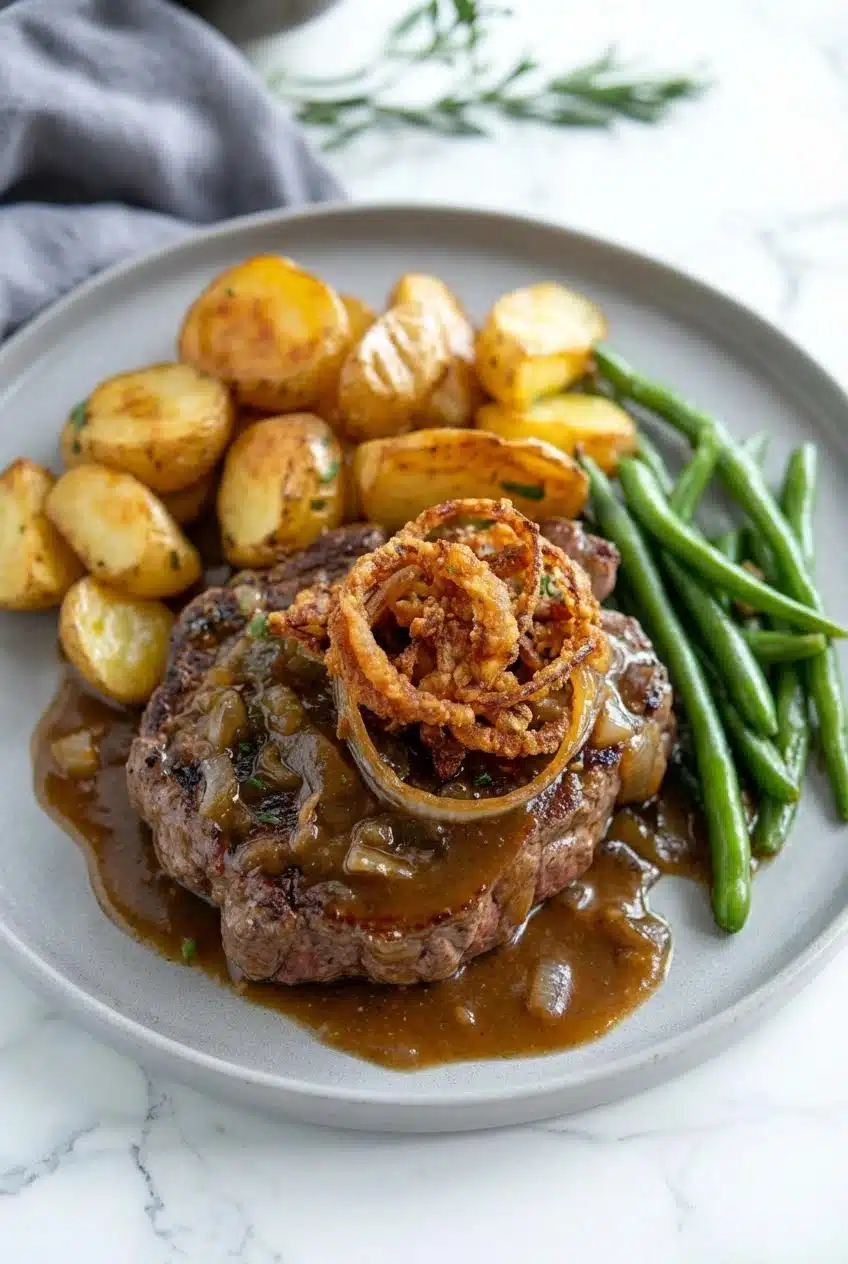
Ingredients You’ll Need
Beef Chuck Roast (3–4 lbs)
Choose a well-marbled cut for best results. Chuck is ideal because the fat renders during slow cooking, creating tenderness and richness. Brisket can also work.
Yellow Onions (4–5 large)
The star of the dish. Slice thinly — they will caramelize and form the base of the gravy. Sweet onions can be substituted for a milder flavor.
Beef Broth (2 cups)
Use low-sodium broth to control salt levels. Homemade broth enhances authenticity.
Dry Red Wine (1 cup)
Optional but traditional. Adds depth and slight acidity. Substitute with additional broth if preferred.
Tomato Paste (1 tablespoon)
Adds subtle richness and color to the sauce.
Garlic (3 cloves)
Freshly minced for best flavor.
Bay Leaves (2)
Infuse the roast with aromatic warmth.
Fresh Thyme (1 teaspoon or 2 sprigs)
Adds earthy undertones.
Salt and Black Pepper
Season generously for balanced flavor.
Vegetable Oil or Butter (2 tablespoons)
For searing the beef and sautéing onions.

Step-by-Step Instructions
1. Prepare and Season the Beef
Pat the beef chuck roast dry with paper towels. Season generously on all sides with salt and freshly ground black pepper. Let it rest at room temperature for 30 minutes before cooking.
2. Sear the Roast
Heat oil or butter in a heavy Dutch oven over medium-high heat. Once hot, sear the roast on all sides until deeply browned, about 3–4 minutes per side. This step locks in flavor and creates a rich base for the gravy. Remove and set aside.
3. Caramelize the Onions
Reduce heat to medium. Add sliced onions to the same pot. Cook slowly for 20–25 minutes, stirring occasionally. They should soften, turn golden brown, and release natural sweetness. Add garlic during the last 2 minutes.
4. Build the Flavor Base
Stir in tomato paste and cook for 1 minute. Pour in red wine and scrape the bottom of the pot to release browned bits. Let it simmer for 3–4 minutes to reduce slightly.
5. Add Broth and Aromatics
Return the roast to the pot. Add beef broth, bay leaves, and thyme. The liquid should come halfway up the roast.
6. Slow Braise
Cover and transfer to a preheated 325°F (165°C) oven. Cook for 2½–3 hours, turning the roast halfway through. The beef is ready when it pulls apart easily with a fork.
7. Rest and Serve
Remove roast and let rest for 15 minutes before slicing or shredding. Skim excess fat from the sauce if needed. Spoon the onion gravy generously over the beef before serving.

Frequently Asked Questions
What cut of beef is best for Swabian beef roast?
Beef chuck roast is ideal due to its marbling and connective tissue, which break down beautifully during slow braising.
Can I make this roast without wine?
Yes. Simply substitute with additional beef broth. The flavor will still be rich and savory.
How do I know when the beef is done?
The roast should be fork-tender and easily shredded. Internal temperature typically reaches around 190–200°F for optimal tenderness.
Can I cook this in a slow cooker?
Yes. After searing and sautéing onions, transfer everything to a slow cooker and cook on low for 7–8 hours.
Why are my onions not caramelizing properly?
Cook them slowly over medium heat. Avoid overcrowding and allow natural sugars to develop without burning.
Can this dish be made ahead for holidays?
Absolutely. It often tastes better the next day as the flavors continue to meld.
Storage Tips
Refrigeration
Store leftovers in an airtight container for up to 4 days. Allow the roast to cool before refrigerating.
Freezing
Freeze in portioned airtight containers for up to 3 months. Include sauce to prevent drying.
Reheating
Reheat gently in a covered saucepan over low heat with a splash of broth. Microwave in short intervals if needed.
Variations to Try
Mushroom-Enhanced Version
Add sliced mushrooms while sautéing onions for deeper umami flavor.
Mustard Twist
Stir in a tablespoon of German-style mustard for added tang.
Herb-Crusted Roast
Coat the beef with rosemary and thyme before searing.
Root Vegetable Addition
Add carrots and parsnips for a heartier one-pot meal.
Darker Beer Version
Replace wine with dark German beer for a malty undertone.
Low-Carb Serving Style
Serve over mashed cauliflower instead of potatoes for a keto-friendly option.

What to Serve with Swabian Beef Roast with Onions
Traditional German Sides
Serve with spaetzle or potato dumplings to soak up the onion gravy.
Comfort Food Pairings
Creamy mashed potatoes or buttered egg noodles balance the richness.
Fresh + Light Sides
A crisp green salad with vinaigrette adds brightness.
Holiday Table Additions
Braised red cabbage or roasted Brussels sprouts make it festive.
Crusty Bread
Perfect for dipping into the savory sauce
Nhận xét
Đăng nhận xét